
Concussion Assessment & Treatment
What is a Concussion?
A concussion is a mild traumatic brain injury that happens when the brain bounces or twists inside the skull. This creates chemical changes in the brain that can impact brain cell function and can cause a wide variety of symptoms,
Concussions can't been seen on x-rays, CT or MRI scans.
What causes a Concussion?
Any blow to the head, face or neck or somewhere else in the body that causes sudden jarring of the head can result in a concussion. Common causes of concussions are falls or hits from contact sports.
What are the symptoms of a suspected concussion?
You DO NOT need to lose consciousness to have a concussion. Symptoms may show up right away or show up later on...you can have one or a combination of symptoms. Common ones include:
- Headache or Head Pressure
- Nausea or Vomiting
- Ringing in Ears
- Fatigue or Drowsiness
- Blurred or Fuzzy Vision
- Sensitivity to Light or Sound
- Confusion, Difficulty Remembering or Trouble Concentrating
- Irritability (feeling more emotional, easily upset or angered)
- Nervousness or Anxiety
- Feeling Tired (low energy, feeling slowed down - sleeping more or sleeping less)
- Balance Problems
*If you answered YES to any of the above and are concerned you may have a concussion - YOU MAY BENEFIT from an Assessment. Whether it be an "Acute Concussion" or "Post/Complex Concussion", we are here to help you #GETBETTER and get you back in the game.
Concussion Physiotherapy
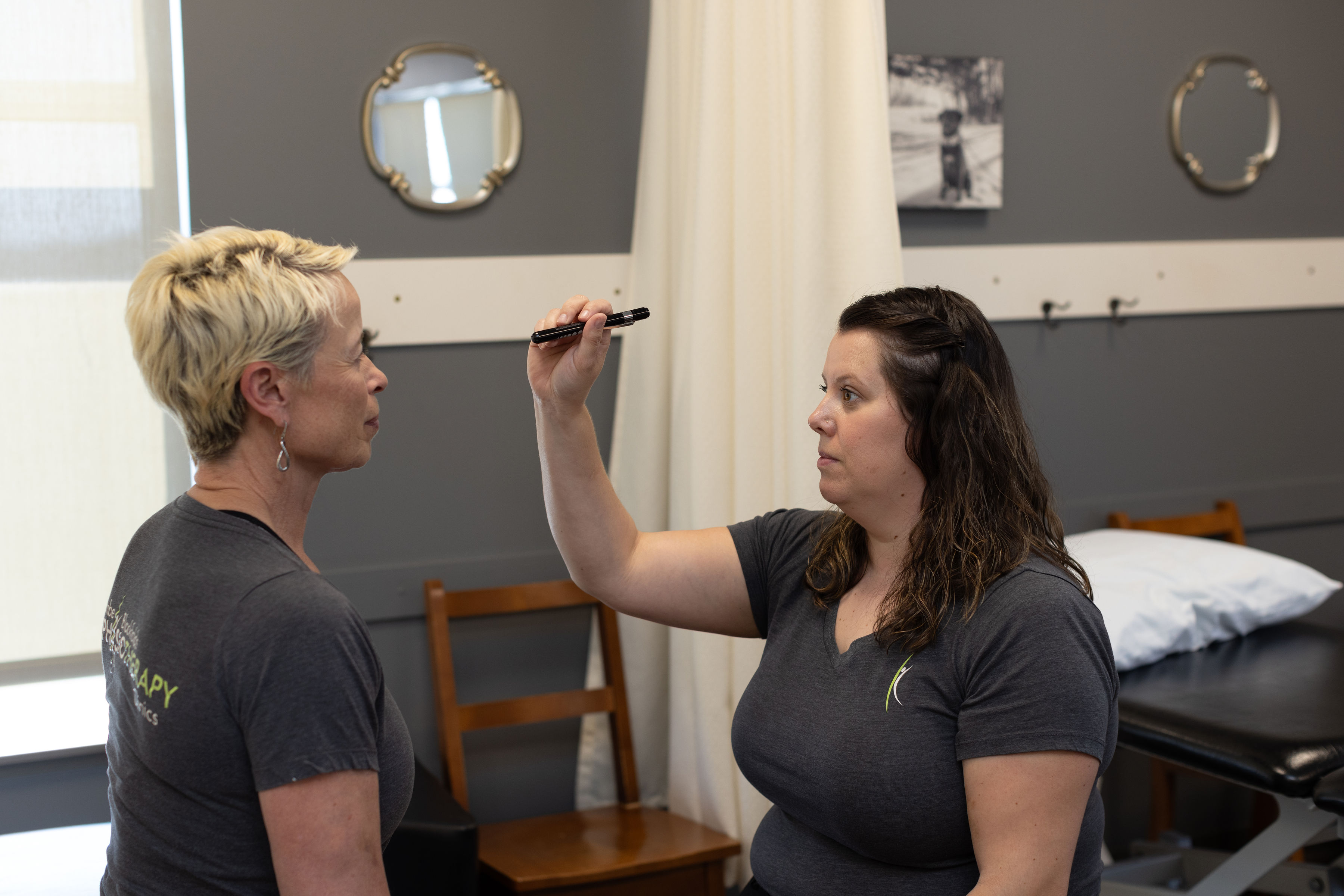
Physiotherapists play an important role in concussion management and rehabilitation.
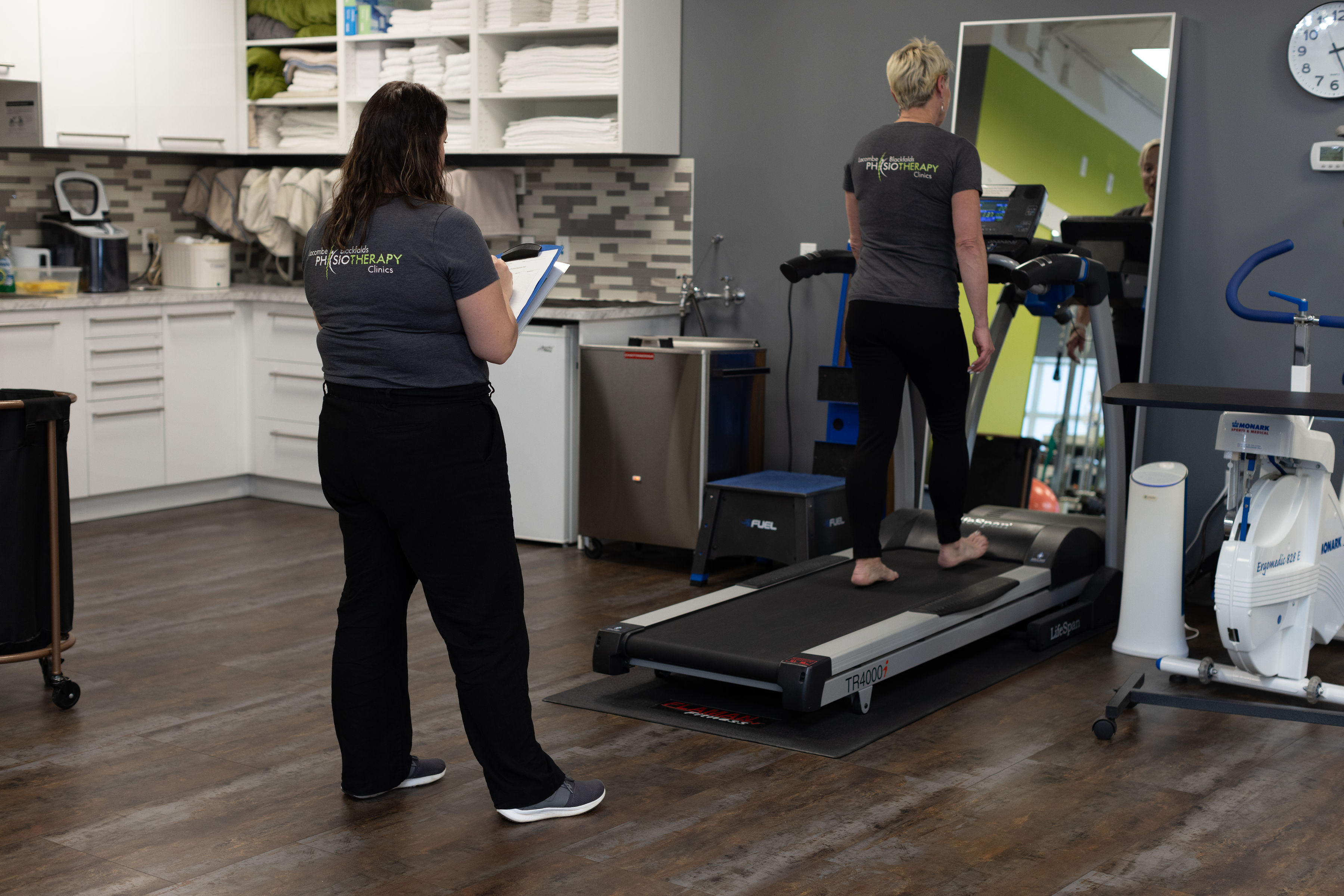
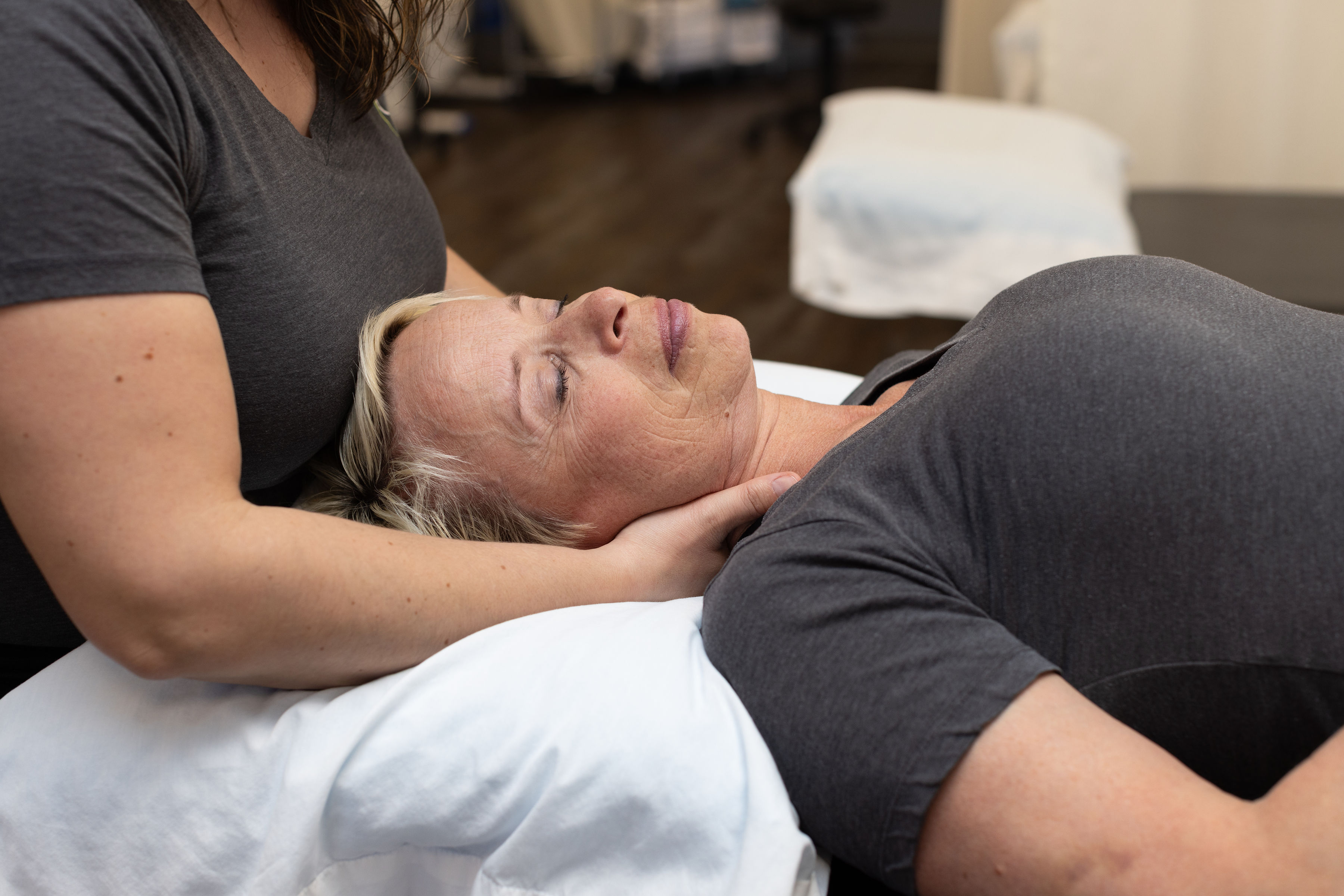
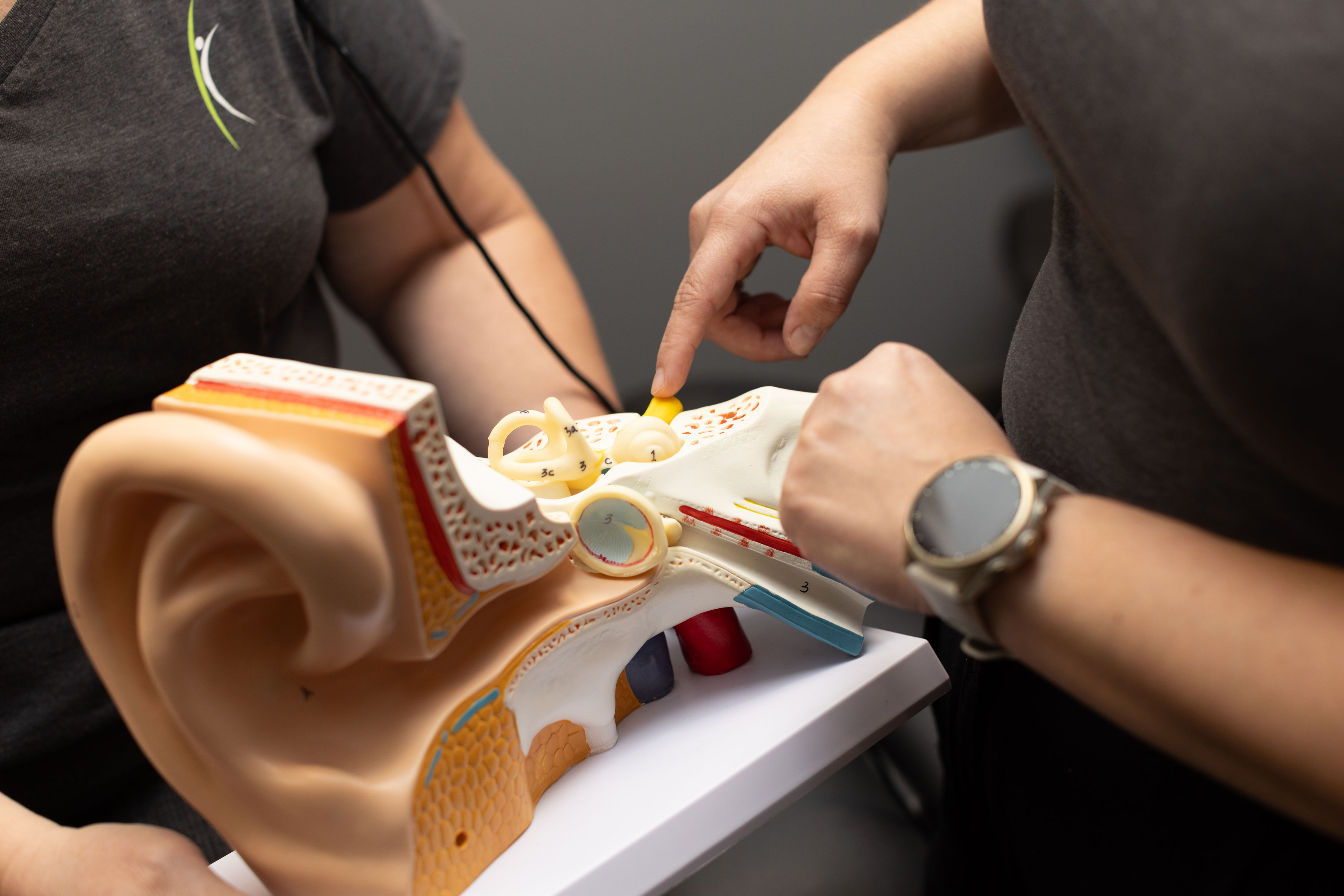
Concussion symptoms vary from person to person - Physiotherapists can created individualized treatment plans to address concussion symptoms and improve both physical and mental function. Care plans can include:
- Cervical Spine (Neck) Rehabilitation
- Vestibular Rehabilitation
- Guidance with return to work or sport protocols
- Education
Concussion Do's & Don'ts
DO See a health professional in the first 1-2 days after a head injury or suspected concussion.
DO Rest physically and mentally the first 48 hours.
DO A gradual return to daily activity, sport and work or school.
DO Eat well & get enough sleep and manage stress.
DON'T Return to vigorous activity immediately following an actual or suspected concussion.
DON'T Wake up every hour during the night.
DON'T Stay in a dark room and avoid ALL activity.
DON'T Drive, drink alcohol or use non-prescription drugs.

 403.885.1585


